Dr Shalya Anand
(edited by Valerie)
Cervical cancer is one of the most preventable cancers in the world. Research shows that the HPV vaccine prevents cervical cancer by protecting against the high-risk types of human papillomavirus (HPV) that cause most cases.
Yet vaccination rates remain uneven across many countries. Questions about vaccine safety, access, and information continue to influence how families make decisions about HPV vaccination.
This article explains how the HPV vaccine works, why vaccinating both boys and girls matters, and how health literacy can act as a “social vaccine.” It explores how clear information, community support, and stronger health systems can help more people access vaccination and reduce HPV-related cancers worldwide.
What Is HPV and Why Does It Matter for Cervical Cancer Prevention?
Human papillomavirus, or HPV, is one of the most common viruses in the world. Most people will get it at some point in their lives, and many never even realise it.
In many cases, HPV causes no symptoms and clears on its own. Sometimes, however, certain types of HPV remain in the body and can lead to cancer over time.
The most well-known example is cervical cancer. HPV can also cause cancers of the throat, anus, penis, vulva, and vagina, which affect both women and men.
HPV spreads easily through close contact. Because of this, preventing HPV infection helps reduce the risk of several cancers.
Fortunately, there is a powerful tool that can help stop this chain of infection: the HPV vaccine.
What Is the HPV Vaccine and How Does It Prevent Cervical Cancer?
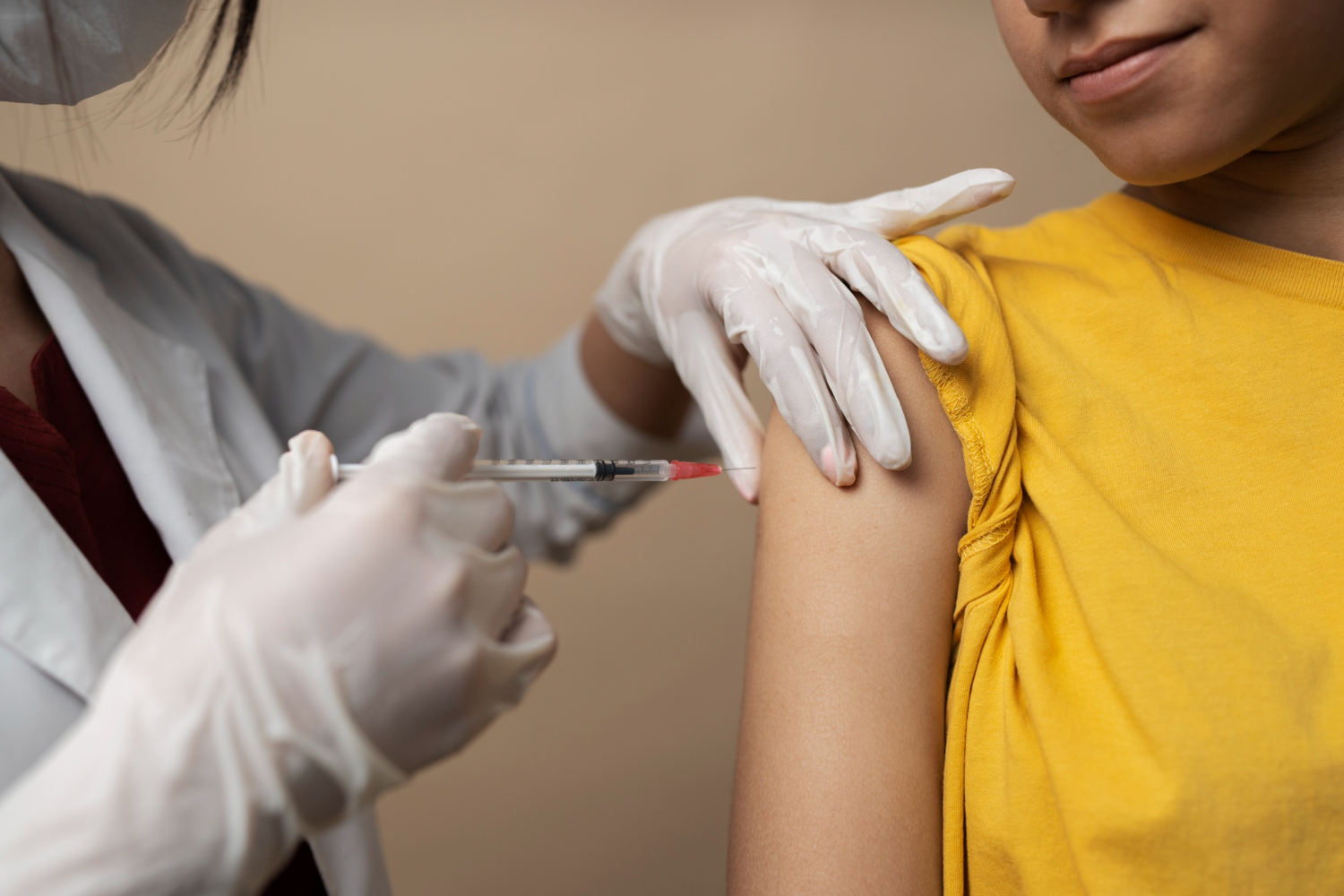
The HPV vaccine protects against the high-risk types of HPV that cause most cervical cancers.
Health experts recommend giving the vaccine in early adolescence. At this age, the immune system responds strongly, and vaccination usually happens before exposure to the virus.
When more people receive the HPV vaccine, several things happen. HPV transmission decreases, cancer risk drops, and communities move closer to herd immunity.
Vaccination programmes also depend on strong healthcare systems, reliable supply chains, and public awareness. These factors help ensure that vaccines reach the people who need them.
The scientific evidence is strong. The HPV vaccine is safe and effective [1,2].
Yet vaccination rates remain uneven in many parts of the world. Understanding why requires looking beyond medicine and exploring how people receive and interpret health information.
This is where health literacy becomes essential.
Understanding Vaccine Hesitancy – Why Do People Delay the HPV Vaccine?
Even when vaccines are available, some people delay or decide not to get them. The World Health Organization describes vaccine hesitancy as a major global public health challenge [2].
Vaccine hesitancy means delaying or refusing vaccination even when vaccination services are available [1]. These decisions are often shaped by trust, personal beliefs, and access to reliable information.
Researchers describe three common factors that influence vaccine decisions. These are known as the 3Cs.
Confidence refers to trust in the vaccine and in the healthcare system that provides it. When people understand how vaccines work and believe they are safe, confidence grows.
Complacency occurs when people believe a disease is not serious or think vaccination is unnecessary. When people understand that HPV can lead to cancer, the importance of prevention becomes clearer.
Convenience relates to how easy it is to get vaccinated. Cost, distance, appointment systems, and clear information all influence access.
Health literacy plays an important role in each of these areas. Clear information builds confidence, understanding reduces complacency, and simple systems improve convenience.
When people feel informed and supported, vaccination decisions become easier. Studies show that stronger health literacy is linked with higher vaccine uptake [3].
What Is Health Literacy and Why Does It Matter for HPV Vaccination?
Health literacy is the ability to find, understand, and use health information to make decisions about health and healthcare. It helps people feel confident when choosing how to protect themselves and their families.
In simple terms, health literacy allows people to:
- find health information
- understand what it means
- judge whether it is trustworthy
- use it to make informed decisions
Researchers describe health literacy as the ability to access, understand, evaluate, and apply health information throughout life [4]. These skills help people manage illness, prevent disease, and take part in decisions about their care.
A related concept is vaccination health literacy. This focuses specifically on understanding vaccine information and making informed decisions about immunisation [5].
When people have strong health literacy, they feel more confident asking questions and discussing vaccination with healthcare professionals. Clear information also helps communities make informed choices and support disease prevention.
Health literacy benefits more than individuals. Strong health literacy can improve public health outcomes, increase participation in preventive programs, and help reduce health inequalities [6].
The Three Levels of Health Literacy in HPV Prevention
Health literacy develops over time. Experts often describe it in three levels that build on one another [7,8].
Functional Health Literacy
Functional health literacy refers to basic understanding of health information. At this level, people can read and understand simple health messages.
For example, someone with functional health literacy may know that HPV can cause cervical cancer. They may also understand that the HPV vaccine helps prevent certain cancers and that there is a recommended age for vaccination.
Interactive Health Literacy
Interactive health literacy goes a step further. It involves communication and active participation in health decisions.
People with interactive health literacy feel comfortable asking questions, speaking with healthcare providers, and discussing concerns with family members. These conversations help people apply health information in real-life situations.
Critical Health Literacy
Critical health literacy involves deeper understanding and reflection. At this level, people can recognise misinformation, understand social barriers to healthcare, and advocate for better access.
Critical health literacy also empowers communities to address broader social factors that influence health, often called social determinants of health [9]. When communities reach this level, prevention becomes a shared effort rather than an individual responsibility.
Health Decisions Are Shared – The Role of Families and Communities
Decisions about HPV vaccination rarely happen in isolation. Most people talk with others before making choices about health.
Parents often discuss vaccination with family members or healthcare providers. Teenagers may talk with friends, teachers, or trusted adults. These conversations help shape how people understand health information.
Researchers describe this shared process as distributed health literacy [3]. In many situations, people rely on trusted networks to help interpret and explain health information [10].
When accurate information spreads through families and communities, confidence grows. Shared understanding can encourage more people to consider vaccination and take steps to protect their health.
What Is a Social Vaccine? Moving Beyond Biology
A medical vaccine protects the body from infection. A social vaccine works differently. It strengthens the conditions that help people stay healthy in the first place.
The idea comes from research on the social determinants of health—the social and economic factors that influence how healthy people are [11,12]. These factors include education, income, access to healthcare, and the availability of reliable information.
A social vaccine works by strengthening communities and improving the systems that support health. This can include reducing inequality, improving access to information, encouraging community action, and supporting fair public policies.
Social vaccines also encourage governments and institutions to address the wider conditions that shape health. When these conditions improve, biomedical tools, such as vaccines, can work more effectively and reach more people.
Health Literacy as a Social Vaccine for Gender-Neutral HPV Vaccination
Health literacy can act as a social vaccine. It strengthens individuals and communities at the same time.
When people understand health information clearly, they feel more confident making decisions about vaccination. This understanding also shapes how people interpret health messages within their cultural and social environments [13].
Health literacy also connects individual knowledge with the way health systems communicate and deliver services [6]. When health systems share clear and accessible information, people can make better-informed choices.
Researchers increasingly describe health literacy as an important public health resource. It supports action across society and encourages communities, health professionals, and policymakers to work together to improve health [14].
Recent global experiences show how powerful health literacy can be. During the COVID-19 pandemic, communities used health information to adopt protective behaviours and support one another [14,15].
The same approach can help improve HPV vaccination. When people understand the benefits of vaccination and feel supported in their decisions, more families choose to protect themselves and their communities.
Why Boys Should Get the HPV Vaccine – Gender-Neutral Vaccination Matters
HPV affects both women and men. The virus spreads through close contact, which means everyone can play a role in stopping its spread.
For many years, vaccination programmes focused mainly on girls because of the strong link between HPV and cervical cancer. Today, research shows that vaccinating both boys and girls provides stronger protection for the whole community [16,17].
Gender-neutral HPV vaccination offers several important benefits. It helps reduce the spread of the virus, strengthens herd immunity, protects future partners, and supports greater health equity.
Parents play an important role in these decisions. Studies show that parental understanding and confidence strongly influence whether adolescents receive the HPV vaccine [18].
When families, healthcare professionals, and communities work together, prevention becomes more effective. HPV vaccination is therefore not only an individual choice: it is a shared responsibility that helps protect everyone.
Barriers to HPV Vaccine Uptake in India and Globally
Several factors can make HPV vaccination more difficult for some families. These challenges appear in many countries, including India.
One common barrier is limited awareness. Many people do not realise that HPV infection can lead to cancer or that vaccination can prevent it.
Concerns about vaccine safety can also influence decisions. Some parents worry about possible side effects or feel unsure about the right age for vaccination.
Misinformation can make these concerns stronger. When people receive confusing or inaccurate information, it becomes harder to feel confident about vaccination.
Practical barriers also play a role. Cost, travel distance, and limited access to healthcare services can make it harder for families to receive vaccines.
HPV vaccine information can sometimes feel complex. Simple and clear communication helps people understand the risks of HPV infection and the benefits of vaccination.
Healthcare professionals play an important role in these conversations. Clear guidance from trusted providers helps families make informed decisions about vaccination [19,20].
Health literacy programmes should also reflect the needs of different communities. Effective initiatives consider differences in age, culture, education, and access to healthcare [21].
Ensuring fair access to information and vaccination services remains essential. When equity is prioritised, more people can benefit from cancer prevention.
Building a Health Literacy System to Eliminate Cervical Cancer
Improving HPV vaccination requires more than individual awareness. It also requires strong health systems that help people understand health information and access vaccination services.
Experts recommend strengthening health literacy across several parts of the health system. These include healthcare workers, organisations, services, leadership, data systems, technology, funding, and collaboration [4,6].
Healthcare professionals need training to explain health information clearly. When doctors, nurses, and health workers communicate in simple language, people feel more confident asking questions and making decisions.
Vaccination services also need to be easy to access. Clinics should be easy to find, affordable, and welcoming for families and communities.
Clear communication materials can also help. Simple messages, trusted sources, and culturally appropriate information make it easier for people to understand the benefits of vaccination.
Leadership and long-term investment are important for building strong health systems. Technology and innovation can also help spread reliable health information and improve access to services.
Working together makes these efforts stronger. Governments, healthcare providers, schools, and community organisations can all play a role in improving health literacy.
Reducing barriers to healthcare and information is essential. When health systems become more inclusive, more people can benefit from cervical cancer prevention [21].
Final Thoughts:The Future of Cervical Cancer Prevention – A Collective Effort
HPV-related cancers are largely preventable. Today, we have powerful tools that can help protect people and reduce cancer risk.
The HPV vaccine plays a central role in this effort. It protects individuals from infection and helps stop the spread of the virus in communities.
Health literacy strengthens the impact of vaccination. When people understand health information clearly, they feel more confident making decisions about prevention.
As health literacy grows, several positive changes follow. People feel more confident about vaccines, communities share reliable information, and health systems become better at supporting prevention.
These changes help more families access vaccination and cancer prevention services. Over time, stronger health literacy can lead to higher vaccination rates and healthier communities.
A medical vaccine protects the body from infection. Health literacy helps protect society by improving understanding, trust, and access to care.
Together, these approaches bring us closer to a powerful goal. They help reduce HPV-related cancers and move us toward the elimination of cervical cancer worldwide.
Frequently Asked Questions About HPV Vaccination
Can the HPV vaccine prevent cervical cancer?
Yes. The HPV vaccine protects against the types of HPV that cause most cervical cancers. It also helps prevent several other cancers linked to HPV.
When people receive the vaccine before exposure to the virus, protection is strongest. Over time, widespread vaccination can greatly reduce cervical cancer rates [16,17].
Is the HPV vaccine safe?
Yes. The HPV vaccine has been carefully studied for many years and is considered safe and effective [1,2]. Most side effects are mild and temporary.
Who should get the HPV vaccine?
Health experts recommend the HPV vaccine for both boys and girls, usually starting in early adolescence. Vaccinating both boys and girls strengthens protection across the whole community.
Why should boys get the HPV vaccine?
HPV affects males and females. Boys can develop HPV-related cancers later in life.
Vaccinating boys reduces virus transmission and protects future partners [17].
What is health literacy and why does it matter for HPV vaccination?
Health literacy means being able to find, understand, and use health information to make informed decisions [4]. When health literacy improves, people feel more confident about vaccination and communities become better protected [3, 14]. In this way, health literacy acts like a social vaccine. It strengthens society and supports cancer prevention.
Copyright © SmileAge Initiative Trust @Dr Shalya Anand 2026. All rights reserved.
References
- MacDonald NE; SAGE Working Group on Vaccine Hesitancy. Vaccine hesitancy: Definition, scope and determinants. Vaccine. 2015;33(34):4161-4164. doi:10.1016/j.vaccine.2015.04.036
- Bruni L, Diaz M, Barrionuevo-Rosas L, et al. Global estimates of human papillomavirus vaccination coverage by region and income level: a pooled analysis. Lancet Glob Health. 2016;4(7):e453-e463. doi:10.1016/S2214-109X(16)30099-7
- Lorini C, Santomauro F, Donzellini M, et al. Health literacy and vaccination: A systematic review. Hum Vaccin Immunother. 2018;14(2):478-488. doi:10.1080/21645515.2017.1392423
- Sørensen K, Van den Broucke S, Fullam J, et al. Health literacy and public health: a systematic review and integration of definitions and models. BMC Public Health. 2012;12:80. Published 2012 Jan 25. doi:10.1186/1471-2458-12-80
- Sørensen K, Pelikan JM, Röthlin F, et al. Health literacy in Europe: comparative results of the European health literacy survey (HLS-EU). Eur J Public Health. 2015;25(6):1053-1058. doi:10.1093/eurpub/ckv043
- Sørensen K, Levin-Zamir D, Duong TV, Okan O, Brasil VV, Nutbeam D. Building health literacy system capacity: a framework for health literate systems. Health Promot Int. 2021;36(Supplement_1):i13-i23. doi:10.1093/heapro/daab153
- Nutbeam D. Health literacy as a public health goal: a challenge for contemporary health education and communication strategies into the 21st century. Health Promot Int. 2000;15(3):259-267. doi:10.1093/heapro/15.3.259
- Nutbeam D. The evolving concept of health literacy. Soc Sci Med. 2008;67(12):2072-2078. doi:10.1016/j.socscimed.2008.09.050
- Abel T, McQueen D. Critical health literacy and the COVID-19 crisis. Health Promot Int. 2020;35(6):1612-1613. doi:10.1093/heapro/daaa040
- Edwards M, Wood F, Davies M, Edwards A. ‘Distributed health literacy’: longitudinal qualitative analysis of the roles of health literacy mediators and social networks of people living with a long-term health condition. Health Expect. 2015;18(5):1180-1193. doi:10.1111/hex.12093
- Baum F, Newman L, Biedrzycki K. Vicious cycles: digital technologies and determinants of health in Australia. Health Promot Int. 2014;29(2):349-360. doi:10.1093/heapro/das062
- Marmot M, Allen J, Bell R, Bloomer E, Goldblatt P; Consortium for the European Review of Social Determinants of Health and the Health Divide. WHO European review of social determinants of health and the health divide. Lancet. 2012;380(9846):1011-1029. doi:10.1016/S0140-6736(12)61228-8
- World Health Organization. Health Literacy Development for the Prevention and Control of Noncommunicable Diseases: Volume 4. Case Studies From WHO National Health Literacy Demonstration Projects. Geneva, Switzerland: World Health Organization; 2022. Accessed March 18, 2026. https://www.who.int/publications/i/item/9789240055391
- Okan O, Messer M, Levin-Zamir D, Paakkari L, Sørensen K. Health literacy as a social vaccine in the COVID-19 pandemic. Health Promot Int. 2023;38(4):daab197. doi:10.1093/heapro/daab197