HPV Vaccine to Prevent Cervical Cancer: Health Literacy as a Social Vaccine for Boys and Girls
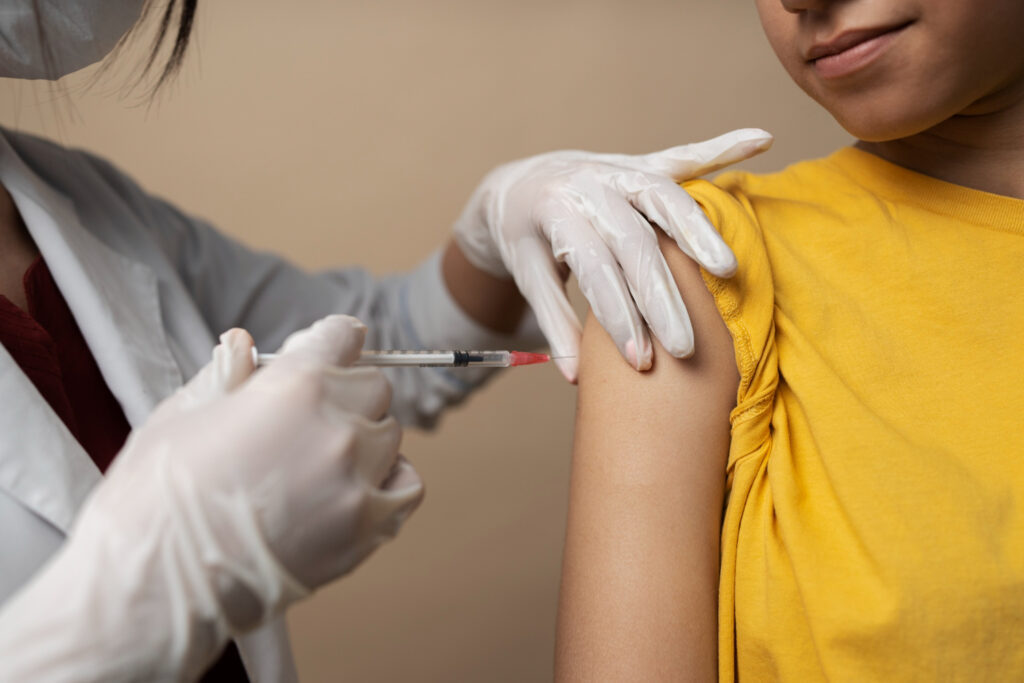
Dr Shalya Anand (edited by Valerie) Cervical cancer is one of the most preventable cancers in the world. Research shows that the HPV vaccine prevents cervical cancer by protecting against the high-risk types of human papillomavirus (HPV) that cause most cases. Yet vaccination rates remain uneven across many countries. Questions about vaccine safety, access, and information continue to influence how families make decisions about HPV vaccination. This article explains how the HPV vaccine works, why vaccinating both boys and girls matters, and how health literacy can act as a “social vaccine.” It explores how clear information, community support, and stronger health systems can help more people access vaccination and reduce HPV-related cancers worldwide. What Is HPV and Why Does It Matter for Cervical Cancer Prevention? Human papillomavirus, or HPV, is one of the most common viruses in the world. Most people will get it at some point in their lives, and many never even realise it. In many cases, HPV causes no symptoms and clears on its own. Sometimes, however, certain types of HPV remain in the body and can lead to cancer over time. The most well-known example is cervical cancer. HPV can also cause cancers of the throat, anus, penis, vulva, and vagina, which affect both women and men. HPV spreads easily through close contact. Because of this, preventing HPV infection helps reduce the risk of several cancers. Fortunately, there is a powerful tool that can help stop this chain of infection: the HPV vaccine. What Is the HPV Vaccine and How Does It Prevent Cervical Cancer? The HPV vaccine protects against the high-risk types of HPV that cause most cervical cancers. Health experts recommend giving the vaccine in early adolescence. At this age, the immune system responds strongly, and vaccination usually happens before exposure to the virus. When more people receive the HPV vaccine, several things happen. HPV transmission decreases, cancer risk drops, and communities move closer to herd immunity. Vaccination programmes also depend on strong healthcare systems, reliable supply chains, and public awareness. These factors help ensure that vaccines reach the people who need them. The scientific evidence is strong. The HPV vaccine is safe and effective [1,2]. Yet vaccination rates remain uneven in many parts of the world. Understanding why requires looking beyond medicine and exploring how people receive and interpret health information. This is where health literacy becomes essential. Understanding Vaccine Hesitancy – Why Do People Delay the HPV Vaccine? Even when vaccines are available, some people delay or decide not to get them. The World Health Organization describes vaccine hesitancy as a major global public health challenge [2]. Vaccine hesitancy means delaying or refusing vaccination even when vaccination services are available [1]. These decisions are often shaped by trust, personal beliefs, and access to reliable information. Researchers describe three common factors that influence vaccine decisions. These are known as the 3Cs. Confidence refers to trust in the vaccine and in the healthcare system that provides it. When people understand how vaccines work and believe they are safe, confidence grows. Complacency occurs when people believe a disease is not serious or think vaccination is unnecessary. When people understand that HPV can lead to cancer, the importance of prevention becomes clearer. Convenience relates to how easy it is to get vaccinated. Cost, distance, appointment systems, and clear information all influence access. Health literacy plays an important role in each of these areas. Clear information builds confidence, understanding reduces complacency, and simple systems improve convenience. When people feel informed and supported, vaccination decisions become easier. Studies show that stronger health literacy is linked with higher vaccine uptake [3]. What Is Health Literacy and Why Does It Matter for HPV Vaccination? Health literacy is the ability to find, understand, and use health information to make decisions about health and healthcare. It helps people feel confident when choosing how to protect themselves and their families. In simple terms, health literacy allows people to: Researchers describe health literacy as the ability to access, understand, evaluate, and apply health information throughout life [4]. These skills help people manage illness, prevent disease, and take part in decisions about their care. A related concept is vaccination health literacy. This focuses specifically on understanding vaccine information and making informed decisions about immunisation [5]. When people have strong health literacy, they feel more confident asking questions and discussing vaccination with healthcare professionals. Clear information also helps communities make informed choices and support disease prevention. Health literacy benefits more than individuals. Strong health literacy can improve public health outcomes, increase participation in preventive programs, and help reduce health inequalities [6]. The Three Levels of Health Literacy in HPV Prevention Health literacy develops over time. Experts often describe it in three levels that build on one another [7,8]. Functional Health Literacy Functional health literacy refers to basic understanding of health information. At this level, people can read and understand simple health messages. For example, someone with functional health literacy may know that HPV can cause cervical cancer. They may also understand that the HPV vaccine helps prevent certain cancers and that there is a recommended age for vaccination. Interactive Health Literacy Interactive health literacy goes a step further. It involves communication and active participation in health decisions. People with interactive health literacy feel comfortable asking questions, speaking with healthcare providers, and discussing concerns with family members. These conversations help people apply health information in real-life situations. Critical Health Literacy Critical health literacy involves deeper understanding and reflection. At this level, people can recognise misinformation, understand social barriers to healthcare, and advocate for better access. Critical health literacy also empowers communities to address broader social factors that influence health, often called social determinants of health [9]. When communities reach this level, prevention becomes a shared effort rather than an individual responsibility. Health Decisions Are Shared – The Role of Families and Communities Decisions about HPV vaccination rarely happen in isolation. Most people talk with others before making choices about health. Parents often discuss vaccination with family
How to Keep Joints Healthy as You Age — My advice as a physiotherapist
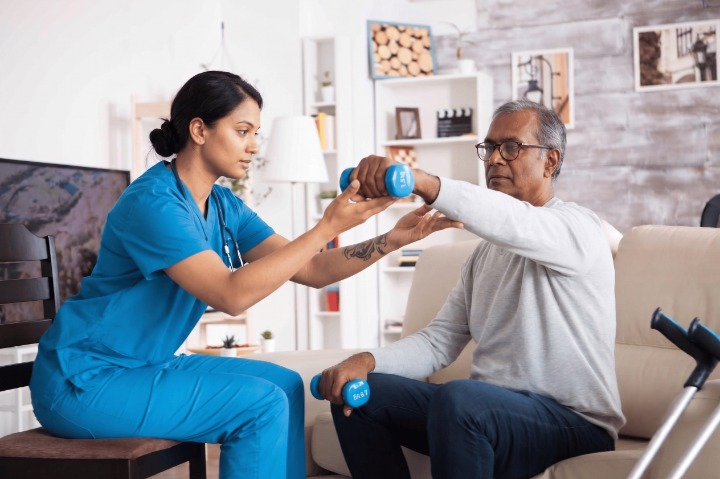
You felt that knee ache climbing a couple of stairs today — not the first time. You have been walking daily, you may think it is fine and the ache will disappear with time. But, will it? You are doing the right thing by staying active. Now let’s make that effort work harder because the real question is how to keep joints healthy as you age. Although there are many ways to do this, as a physiotherapist, I recommend focussing on these 3 foundational pillars: Use weights to keep joints healthy Walking for an hour daily is great, it helps to keep your heart healthy and strong. But you also need strong muscles to support the joints as you begin to age. You can think of your muscles as a cushion around your joints. The stronger they are, the less pressure your joints take with every step. And one of the best ways to build that cushion? Strength training. Simple home exercises with light weights, done consistently, are one of the most effective ways to maintain healthy joints as you age. Research shows that people who did regular strength training had about 20% lower rates of knee osteoarthritis and knee pain. Even those who begin exercising later in life appear to benefit1. A lesson from my mum My 65-year-old Indian mum had been struggling with knee pain for years. Stairs had become her biggest challenge of the day. Instead of joining a gym, we decided to start with some exercises at home. We started with knee movements while sitting on a chair using only her body weight, focussing on proper movement and control. Once she could comfortably perform the movements, I tied a 1 kg weight at her ankle and asked her to perform the same knee movements. Initially, it was tough. But with consistent, daily effort she was able to do them perfectly. After a few days, she felt that the movements with 1 kg weight were easy. That was the time we decided to progress to the 2 kg weight and a different set of movements. Within a couple of weeks, she began noticing that climbing stairs had become easier and far less painful. Today, she walks up and down the same stairs with minimal discomfort. I can still hear the joy in her voice when she first told me how much easier it had become. Her experience is a reminder that it is never too late to strengthen the muscles that protect your joints. And the benefits go beyond the joints. In a large study of young, middle-aged and older adults, people who were more physically active experienced higher life satisfaction and happiness, and overall, these feelings tended to increase with age2. This is something mum would wholeheartedly agree with. If you are not sure where to begin, start with this: Sit comfortably in a chair and slowly straighten one leg, hold for 3 to 5 seconds, lower slowly. Repeat 10 to 15 times. Once this becomes comfortable, tie a 1 kg weight at the ankle and perform the same movement. As it starts to feel easier, progress to a 2 kg weight (and so on), just like my mum did! Maintain a healthy body weight to reduce stress at the joints Every extra kilogram of body weight you carry puts additional pressure on your joints, particularly your knees and hips. It is similar to carrying a heavy backpack — the heavier it is, the more your legs feel it. Research has found that extra body weight can wear your knee joints out faster over time3. Instead of trying to achieve a number on a scale, it is more about understanding that maintaining a healthy body weight is one of the most powerful and sustainable ways to protect your joints as you age. Body weight was never an issue for my mum. Even with the strength training, she kept moving, and eating the way she always has: home-cooked, balanced, and mindful. That quiet combination worked well for her. Eat well to support joint health Think of your daily meals as a way of supporting the maintenance of healthy joints as you age. The Indian National Institute of Nutrition’s dietary guidelines, as highlighted in the research by Tattari and colleagues in 2022, recommend that older adults should include plenty of protein, fibre, vitamins, minerals and fluids while limiting excess salt and processed foods4. Our Indian kitchens are beautifully equipped for this. Some examples include: So, those stairs? They do not have to stay a struggle. Start small. Pick one exercise, keep moving, and make one change to your diet this week. Observe the difference. Learning how to keep joints healthy as you age is all about small, consistent habits! If you have a joint health tip that worked for you or someone you love, please share it with us. Your experience could be someone else’s turning point. Know when to see a doctor If your joint pain is severe, associated with swelling, redness, fever, or has started after an injury, consult a healthcare professional before starting a new exercise program. References 1. Lo GH, Richard MJ, McAlindon TE, et al. Strength training is associated with less knee osteoarthritis: data from the osteoarthritis initiative. Arthritis Rheumatol. 2024 Mar;76(3):377-383. doi:10.1002/art.42732. 2. An HY, Chen W, Wang CW, et al. The relationships between physical activity and life satisfaction and happiness among young, middle-aged, and older adults. Int J Environ Res Public Health. 2020 Jul 4;17(13):4817. doi: 10.3390/ijerph17134817. 3. Adouni M, Aydelik H, Faisal TR, Hajji R. The effect of body weight on the knee joint biomechanics based on subject-specific finite element-musculoskeletal approach. Sci Rep. 2024 Jun 14;14(1):13777. doi:10.1038/s41598-024-63745-x. 4. Tattari S, Gavaravarapu SM, Pullakhandam R, et al. Nutritional requirements for the elderly in India: A status paper. Indian J Med Res. 2022 Sep;156(3):411-420. doi:10.4103/ijmr.ijmr_2784_21.
From Check-Ups to Checkpoints: Why the Dental Chair is Healthcare’s Most Underused Behavioural Tool
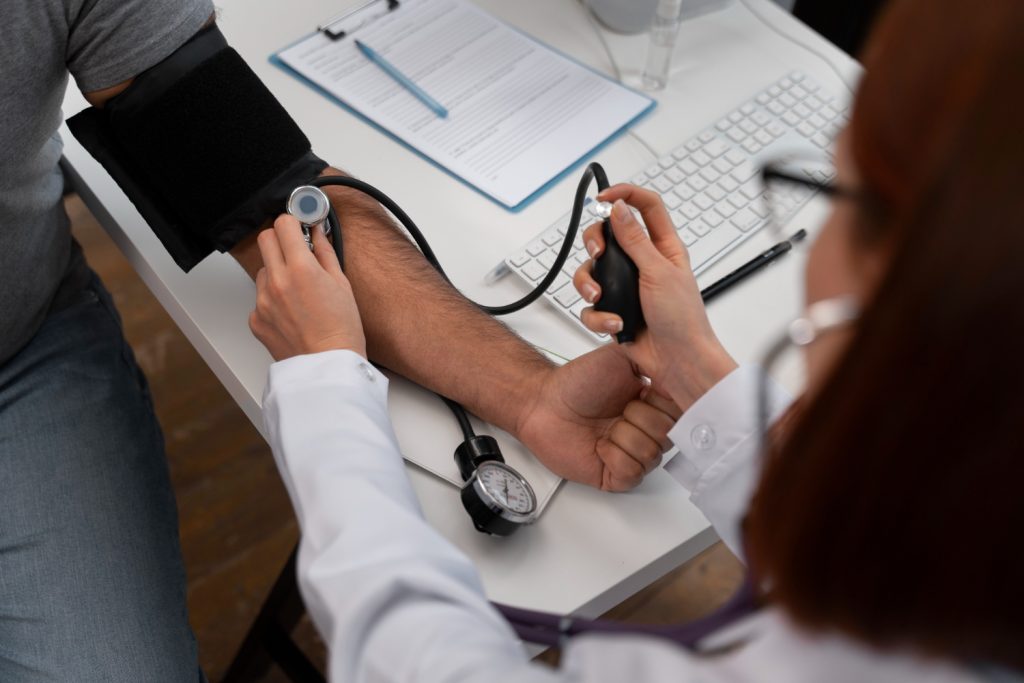
Most people see their dentist more regularly than almost any other healthcare provider—every six months, often for decades. No physician enjoys that kind of recurring, low-friction access to a healthy population. Yet, patients and practitioners alike still frame the visit narrowly as a procedural appointment: clean, check for cavities, leave. That framing is dangerously outdated. The mouth is not a separate system from the rest of the body. It sits at the intersection of biology and behaviour, acting as a mirror for systemic health. The Mouth as a Mirror A growing body of research links oral health directly to major chronic conditions: These relationships aren’t clinical coincidences; they are driven by a shared set of modifiable behaviours—diet, sugar consumption, tobacco, alcohol, stress, sleep, and hygiene. In fact, dietary history often matters more than brushing history. A patient who brushes imperfectly but rarely consumes sugar will frequently fare better than one with excellent hygiene but a diet heavy in sugary snacks. In public health, this is known as the common risk factor approach: addressing a small set of daily habits to mitigate multiple diseases at once. Seen this way, the dental visit stops being a narrow check on teeth and becomes a recurring checkpoint for whole-person health. A recent paper suggests we stop trying to “nudge” or trick people into good habits, and instead focus on “boosting”—giving people simple, practical skills they can actually use to take control of their own routine. The Dental Advantage: Frequency, Timing, and Trust Dentists hold three advantages that are rare across the healthcare system: Used intentionally, the dental chair is one of the most powerful, underleveraged platforms for behaviour change in medicine. Changing the Conversation: What Actually Moves People Traditional dental advice relies on instruction: brush better, floss more. While correct, lecturing rarely drives long-term compliance and can often backfire. Effective behavioural intervention requires shifting from instruction to participation: Repetition across trusted sources is what shifts trajectories. When the same supportive message about nutrition, sleep, or movement comes from a physician, a physiotherapist, and a dentist, it lands differently. Moving the Needle At SmileAge Initiative Trust, we don’t treat oral health literacy as mere information delivery. We treat it as a structured behavioural intervention. The goal—especially for ageing populations and under-resourced communities where the dentist might be the primary medical touchpoint—is maintaining function, autonomy, and quality of life. The evidence linking oral health, systemic disease, and behaviour is well established. What remains is translation. Knowing why this matters is the easy part. The harder, more urgent task is determining how to identify the exact tools, verbal prompts, and small clinical moments that nudge a patient toward sustainable change in the seconds that actually count. We are currently working alongside colleagues in behavioural science to map out those practical, chairside approaches. More on that soon. References
A Personal Perspective
Let’s be honest: we all know exactly what our dentist is going to say before we even sit in the chair. Brush twice a day, floss, cut back on the sugar, see you in six months. Yet, oral diseases are still the most common health issue on the planet. They affect 3.7 billion people—which is more than heart disease and cancer combined—and cost the world a massive $710 billion a year. So, why isn’t the advice working? Because knowing what to do and actually doing it when you’re exhausted on a Tuesday night or sprinting out the door on a Monday morning are two totally different things. For decades, dental health has been treated like an information problem. But knowing the facts doesn’t automatically build a routine. A recent paper suggests we stop trying to “nudge” or trick people into good habits, and instead focus on “boosting”—giving people simple, practical skills they can actually use to take control of their own routine. 💡 The Toothbrushing Boost Toolbox The authors put together 6 quick life-hacks based on proven behavioural science to help bridge the gap between “I should” and “I did”: Look, these small habit tricks aren’t going to fix the massive structural issues out there, like making dental care more affordable or accessible. We still desperately need those big changes. But while structural reforms take years, a “boost” is a free tool you can start using tonight. Dr Shagufta DalviVolunteer
Lay Summary : The Toothbrushing Boost Toolbox: Competence-Building Behavioural Strategies for Oral Health
Anand, S., Claassen, M. A., Riedy, C. A., & Hertwig, R. Perspective article, Frontiers in Public Health (Public Health Education and Promotion) Good oral health is essential to overall health and well-being, yet oral disease remains the most prevalent noncommunicable disease in the world, affecting an estimated 3.7 billion people and imposing an annual economic burden of roughly US$710 billion. Most people already know they should brush properly, floss, and visit the dentist regularly. The difficulty lies elsewhere: turning that knowledge into a consistent daily habit. This gap between awareness and action is one that education alone struggles to close. This paper argues that improving oral health requires more than information. It requires helping people build practical skills and routines that make healthy behaviours easier to sustain. Approaches from the behavioural and social sciences remain poorly integrated into oral health promotion, and where they have been applied, meta-analytic evidence suggests the effects are typically weak. The authors also highlight a significant gap in research. Despite the importance of oral health, behavioral science has been applied far less frequently to dentistry than to other health areas such as physical activity or nutrition. A bibliometric review carried out for this paper found only 360 publications linking behavioural science to oral health between 2000 and 2024, a fraction of what exists in domains such as physical activity or nutrition, with relatively few rigorous trials able to draw a clear causal link between an intervention and behaviour change. The authors propose an alternative approach from behavioural science called “boosting.” Unlike interventions that simply encourage healthier choices or subtly steer behaviour, boosting focuses on teaching simple, memorable strategies that build lasting competences while preserving people’s autonomy. The aim is to close the gap between knowing what to do and actually doing it, consistently. To illustrate this approach, the paper introduces the Toothbrushing Boost Toolbox, a set of practical techniques designed to make toothbrushing more automatic and effective: These strategies are intended to reduce reliance on motivation and willpower alone, helping people establish habits robust enough to persist under everyday constraints such as fatigue or time pressure. They are low-cost, simple to communicate, and adaptable across age groups, literacy levels, and cultural contexts, whether delivered in a dental clinic, a school programme, or a public health campaign. The authors also highlight that oral health is a particularly well-suited area for studying behaviour change more broadly. Toothbrushing is a simple, repeatable behaviour that can be measured objectively over time, unlike more complex behaviours such as dietary change, making it a valuable model for behavioural science research. Finally, the paper is clear that behavioural strategies alone cannot solve oral health problems. Lasting improvement also depends on system-level reform, including affordable preventive care, accessible hygiene products, and policies that reduce barriers to treatment. The authors argue that combining these structural reforms with practical, evidence-based behavioural tools offers the most promising route to improving oral health, and reducing oral health inequities, at a population level. Aron N. Weinberg, Ph.D.Somerville, MAe: aron_weinberg@mail.harvard.edu;